
Engineering & resource recovery
Renewable energy & biogas systems
Biogas and waste-to-energy systems that convert organic waste into renewable energy and organic fertiliser, for farms, food processors, institutions, municipalities and commercial establishments.
Organic waste such as animal manure, food waste, crop residues and processing by-products can be turned into biogas, a renewable fuel for cooking, heating and power. What remains after digestion, the digestate, is a valuable organic fertiliser.
A well-designed biogas system cuts waste management costs and energy bills, reduces greenhouse gas emissions and odours, and improves sanitation. INRC takes projects from the first feasibility question through design, installation and commissioning to ongoing operational support.
Biogas contains methane and hydrogen sulphide, so safety is built into every system we design. Our team uses its own methane and multi-gas detectors to check plants during commissioning and maintenance.
Instruments we use
Gas detectors used to check biogas systems safely. They are also available for hire.
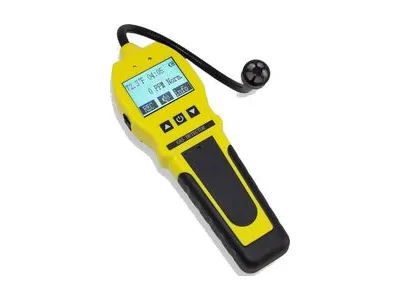
Forensics Detectors FD-90E methane detector

Industrial Scientific MX6 iBrid multi-gas detector

Aeroqual S500 handheld multi-gas monitor
Scope of work
Biogas plants
Digesters sized to the type and quantity of waste available, for farms, institutions and businesses.
Waste-to-energy facilities
Larger systems that recover energy from organic waste streams at industrial or municipal scale.
Gas storage & purification
Biogas storage, and purification technologies that remove impurities for safer, more efficient use.
- Feedstock assessment
- Feasibility studies
- System design
- Installation and commissioning
- Operator training
- Operational support
- Gas storage and purification
- Digestate use as fertiliser
- Gas safety checks
Our process
How a biogas project works
- 1
Feedstock assessment
We assess the type, quantity and consistency of available organic waste.
- 2
Feasibility study
Gas yield, energy use, costs and benefits are estimated.
- 3
Design
The digester, gas handling and digestate management are designed for your site.
- 4
Installation
We install the system or supervise its construction.
- 5
Commissioning & training
The plant is started up, safety-checked and operators are trained.
- 6
Operational support
We support operation and maintenance to keep performance high.
What you receive
Clear, review-ready documents.
- Feasibility study report
- System design and specifications
- Commissioning and safety check report
- Operation and maintenance guidance
Related services
Ready to get started?
Share your project details and we’ll respond with clear next steps.