
Assessment & compliance
Environmental & Social Impact Assessment in Uganda
End-to-end Environmental and Social Impact Assessment, from screening to post-approval monitoring, meeting NEMA requirements under the National Environment Act Cap. 181 and the safeguard standards lenders expect.
Many development projects in Uganda need an Environmental and Social Impact Assessment, and NEMA’s approval, before work can begin. An ESIA identifies how a proposed project could affect the environment and the people around it, and sets out how those effects will be managed. Done well, it also improves the project: it highlights better locations, layouts and methods while there is still time to change them.
INRC guides project developers, investors and development partners through every stage of the process. Our team carries out the baseline fieldwork itself, using our own calibrated instruments to measure air quality, noise, vibration and water quality, and consults directly with affected communities, local governments and lead agencies.
For projects financed by development banks or international lenders, we align the assessment with the World Bank Environmental and Social Framework, the IFC Performance Standards and the AfDB Integrated Safeguards System, so one study can satisfy both NEMA and the lender.
NEMA · Cap. 181
National requirements, review and approval
World Bank ESF
Ten Environmental and Social Standards
IFC Performance Standards
Risk identification and the mitigation hierarchy
AfDB ISS
Operational safeguards for inclusive, sustainable growth
Experience includes: Infrastructure, industrial and manufacturing developments, tourism facilities, mining, petroleum facilities, urban development, energy and agricultural investments.
Instruments for baseline studies
Our own calibrated field instruments, used to measure existing conditions at the project site. They are also available for hire.
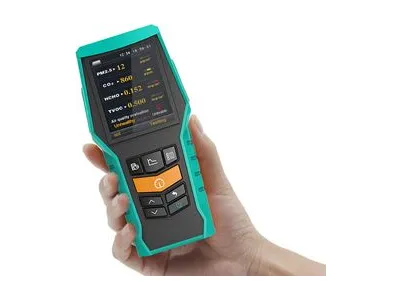
BRAMC 5-in-1 air quality monitor
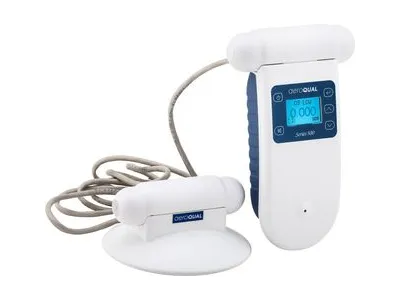
Aeroqual S500 handheld multi-gas monitor
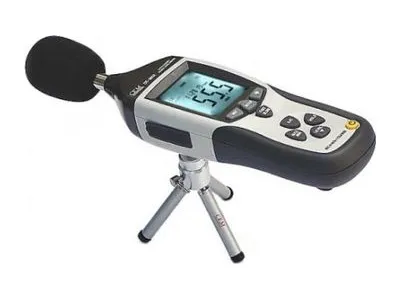
DT-8852 sound level meter & data logger
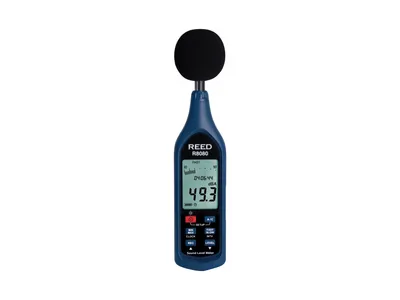
REED Instruments R8080 sound level meter
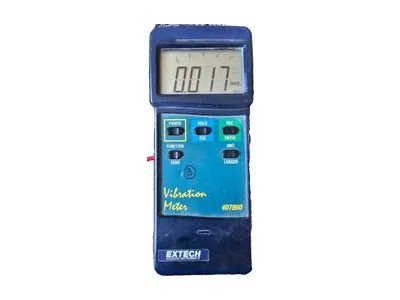
Extech 407860 vibration meter
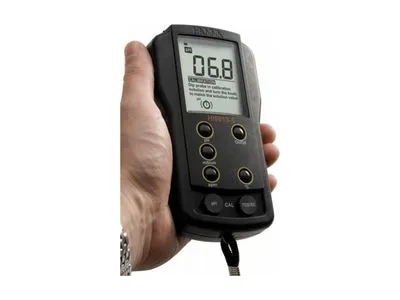
Hanna HI9813-5 portable meter
Scope of work
Screening & project briefs
We review the project against the National Environment Act Cap. 181 to confirm the assessment route, and prepare the project brief NEMA needs to make that decision.
Scoping & terms of reference
We focus the study on the issues that really matter for the project and its site, agreeing the terms of reference before fieldwork starts.
Baseline studies
Physical, biological and socio-economic surveys establish existing conditions, including measured air quality, noise, vibration and water quality.
Stakeholder engagement
Meetings and consultations with affected communities, local governments and lead agencies, with concerns recorded and answered in the report.
Impact assessment
Positive and negative impacts are predicted and their significance rated, covering construction, operation and, where relevant, decommissioning.
ESMP & approval support
A practical Environmental and Social Management Plan with responsibilities, monitoring and costs, and support through NEMA’s review.
- Environmental screening and project briefs
- Project scoping and terms of reference
- Baseline environmental and social studies
- Stakeholder identification and consultation
- Impact assessment and risk evaluation
- Environmental and Social Management Plans (ESMPs)
- Regulatory submissions and public disclosure
- Post-approval monitoring and compliance audits
Our process
Six stages, from screening to monitoring
- 1
Screening & project brief
Confirm whether a full assessment is needed and which standards apply.
- 2
Scoping & terms of reference
Focus the study on the issues that matter for this project and site.
- 3
Baseline & consultation
Field surveys, measurements and meetings with affected communities and agencies.
- 4
Impact analysis & ESMP
Assess risks and set out mitigation the project can actually carry out.
- 5
Submission & review
Prepare the report for NEMA review and public disclosure where required.
- 6
Post-approval monitoring
Monitoring, audits and compliance reporting once the project is running.
What you receive
Clear, review-ready documents.
- Project brief
- Scoping report and terms of reference
- ESIA report
- Environmental and Social Management Plan
- Stakeholder engagement records
- Monitoring and audit reports
Related services
Ready to get started?
Share your project details and we’ll respond with clear next steps.