
Environmental testing & monitoring
Environmental testing & monitoring
Onsite measurement of water, air, soil, noise and vibration with our own calibrated field instruments, producing reliable, real-time data for compliance, impact assessment and decision-making.
Reliable environmental data underpins every stage of environmental management. It sets the baseline in an ESIA, shows whether an ESMP is working, provides the evidence for compliance audits, and helps investigate complaints and pollution incidents.
INRC carries out testing and monitoring onsite using recognised sampling methods and its own calibrated instruments, including sound level meters with data logging, a vibration meter, particulate and multi-gas air quality monitors, gas detectors and a portable water quality meter. Measuring in the field gives immediate results and lets us adjust sampling as we go.
Where a parameter needs laboratory analysis, we collect, preserve and deliver samples to a suitable laboratory with chain-of-custody records. Every report interprets the results against the applicable standards and the baseline, and says what action, if any, is needed.
Our monitoring instruments
The calibrated instruments our team uses in the field. They are also available for hire.
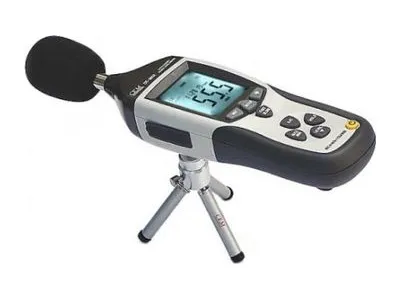
DT-8852 sound level meter & data logger
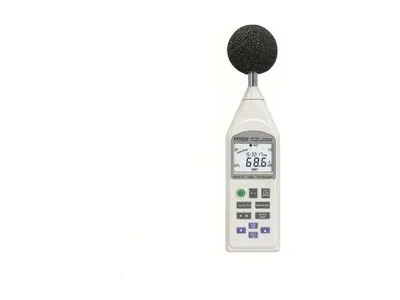
Extech 407780 integrating sound level meter & data logger
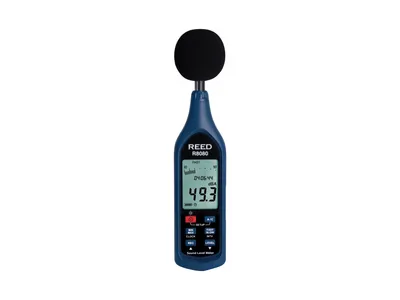
REED Instruments R8080 sound level meter
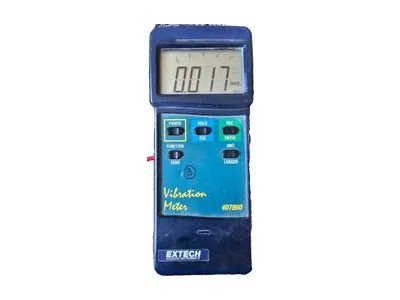
Extech 407860 vibration meter
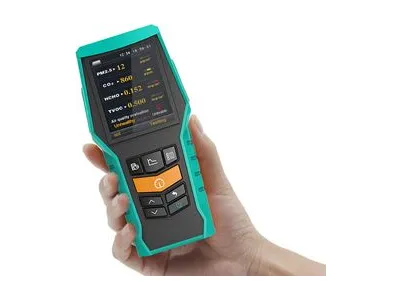
BRAMC 5-in-1 air quality monitor
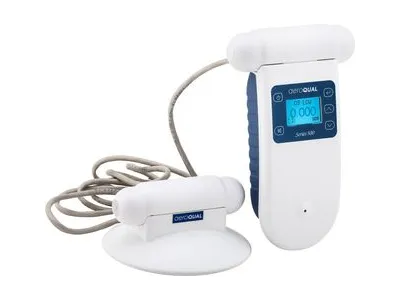
Aeroqual S500 handheld multi-gas monitor
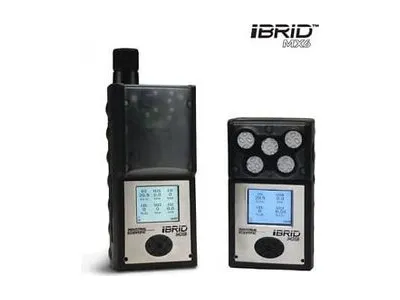
Industrial Scientific MX6 iBrid multi-gas detector
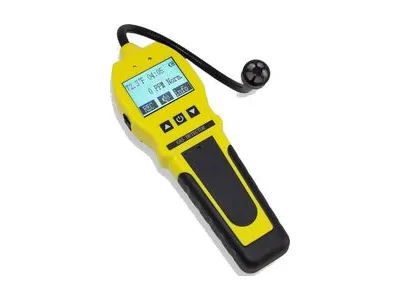
Forensics Detectors FD-90E methane detector
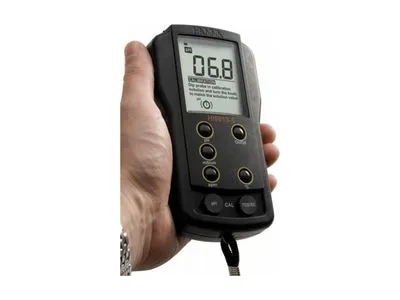
Hanna HI9813-5 portable meter
Scope of work
Water quality
pH, conductivity, total dissolved solids and temperature measured in the field, with laboratory analysis of surface water, groundwater, drinking water, wastewater, effluent and stormwater where required.
Air quality
Particulate matter (PM2.5 and PM10), dust and gaseous pollutants around industrial sites, construction works, roads and communities.
Soil quality
Sampling to establish baseline conditions and to investigate contamination around fuel storage, workshops and waste handling areas.
Environmental noise
Boundary and community noise surveys, day and night, with data logging for long-term monitoring.
Vibration
Measurements near sensitive structures during construction, blasting, piling, heavy traffic and machinery operation.
Occupational exposure
Workplace noise, dust and gas exposure monitoring to support occupational health and safety management.
- Baseline monitoring for ESIAs
- Compliance monitoring programmes
- Monitoring during environmental audits
- Pollution and complaint investigations
- Design of monitoring plans
- Interpretation against applicable standards
Our process
How a monitoring assignment works
- 1
Define the purpose
We confirm what the data must show and which standards, permits or conditions apply.
- 2
Monitoring plan
Parameters, locations, timing and frequency are set out, with GPS-referenced sampling points.
- 3
Calibration & fieldwork
Instruments are calibrated and measurements taken, with weather and site conditions recorded.
- 4
Laboratory analysis
Samples needing laboratory methods are preserved and delivered with chain-of-custody records.
- 5
Interpretation
Results are compared with the applicable standards, the baseline and earlier rounds.
- 6
Report & recommendations
A clear report states what the results mean and what action is needed.
What you receive
Clear, review-ready documents.
- Monitoring plan
- Field data with calibration records
- Monitoring report with interpretation against applicable standards
- Recommendations and trigger levels for follow-up
Related services
Ready to get started?
Share your project details and we’ll respond with clear next steps.